Working Hours
Clinic Schedule
Mon - Fri:8:00 AM - 8:00 PM
Saturday:9:00 AM - 6:00 PM
Sunday:10:00 AM - 5:00 PM
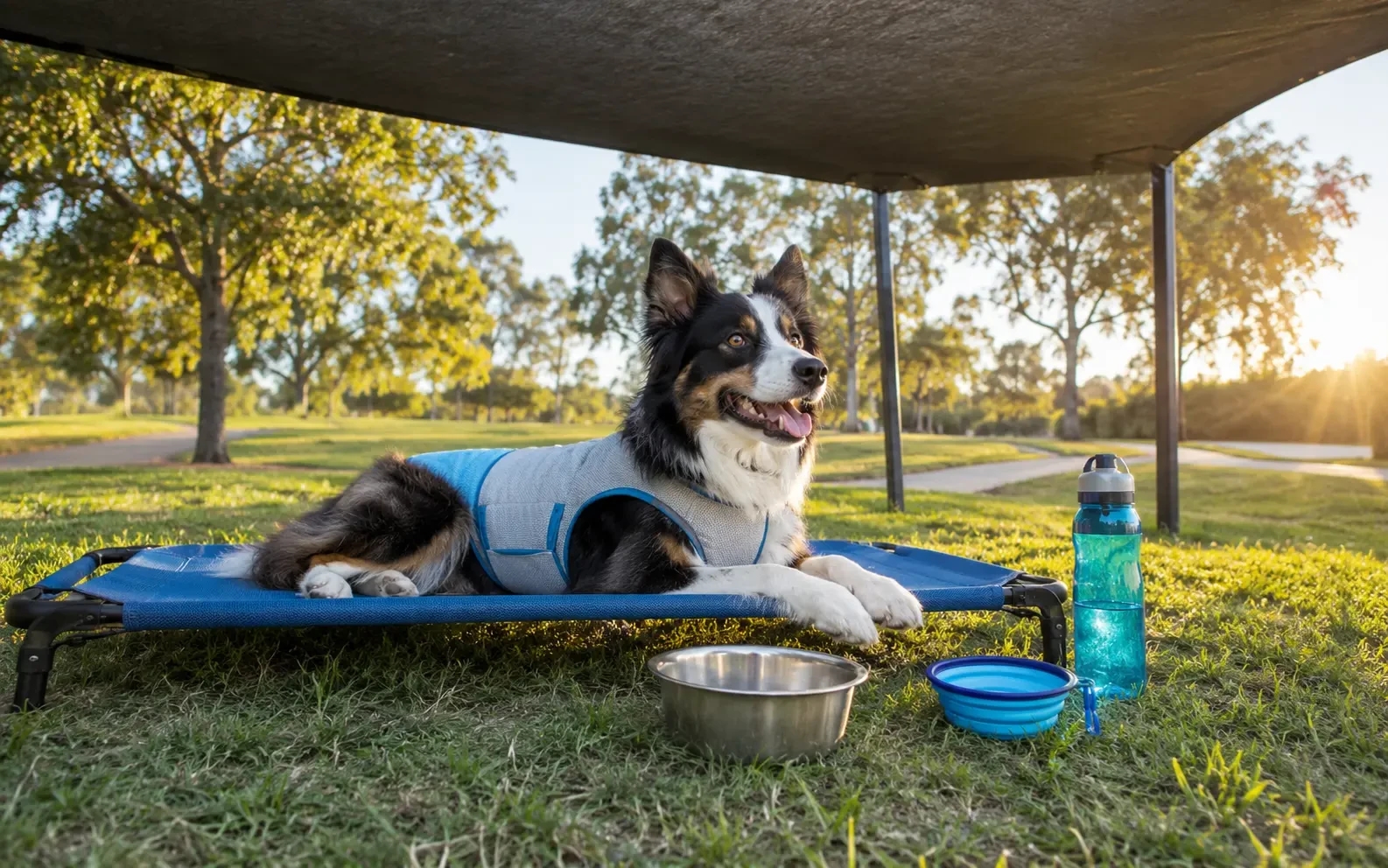
Summer is a wonderful season for outdoor adventures with our canine companions. From morning walks and trips to the park to backyard playtime and family vacations, warmer weather creates many opportunities for dogs to enjoy the outdoors. However, summer temperatures can also present significant health risks if pet owners are not prepared.
Unlike humans, dogs do not have an efficient cooling system. While we rely on sweating to regulate body temperature, dogs primarily cool themselves through panting and limited sweat gland activity in their paw pads. When temperatures rise too high, especially when humidity is also elevated, dogs can quickly become overheated. Without prompt intervention, overheating may progress to heat exhaustion or even heat stroke, both of which can become life-threatening emergencies.
Fortunately, there are many practical ways to reduce these risks. Cooling vests, hydration strategies, shaded environments, and smart exercise planning can help dogs remain safe and comfortable throughout the summer months. Understanding how heat affects dogs and recognizing the early signs of overheating are important parts of responsible pet ownership.
At Companion Animal Hospital, we encourage pet owners to take preventive steps before temperatures climb. A little preparation can make a big difference in keeping your dog healthy and active all summer long.
Dogs naturally generate body heat through daily activity, exercise, digestion, and normal metabolic functions. Under moderate conditions, they can effectively regulate their temperature through panting.
However, unlike humans, dogs have very few sweat glands. When environmental temperatures become excessively high, their natural cooling mechanisms may not be enough to release accumulated body heat.
Several factors increase the likelihood of overheating:
Even healthy dogs can experience heat-related illness when exposed to excessive temperatures.
Heat-related illnesses often develop gradually. Recognizing the stages can help owners intervene before a situation becomes critical.
Heat stress is the earliest stage of overheating.
Common symptoms include:
Immediate cooling measures are usually effective at this stage.
If overheating continues, symptoms may worsen.
Signs include:
Veterinary attention may be needed to prevent further progression.
Heat stroke is a medical emergency that requires immediate veterinary treatment.
Symptoms may include:
Without prompt treatment, heat stroke can cause organ damage and become fatal.
One of the most effective tools for helping dogs stay comfortable during hot weather is a cooling vest.
Cooling vests use evaporative cooling technology. Most designs are soaked in cool water before being placed on the dog. As the water evaporates, it helps draw excess heat away from the body.
Cooling vests help maintain a more comfortable body temperature during outdoor activities.
Many dogs tolerate walks and outdoor adventures better when wearing a cooling vest.
Senior dogs, overweight pets, and brachycephalic breeds often benefit from additional cooling support.
Although cooling vests are not a substitute for proper heat safety practices, they can be an excellent preventive tool.
When choosing a cooling vest, look for:
A proper fit should allow full freedom of movement without restricting activity.
Hydration plays a vital role in helping dogs regulate body temperature.
Water supports circulation, cooling mechanisms, and overall health. During hot weather, dehydration can develop more quickly than many owners realize.
Some dogs may require encouragement to drink regularly, especially during outdoor adventures.
When it comes to preventing overheating, timing matters.
Early mornings and evenings are typically the safest times for exercise.
Temperatures are usually lower, and surfaces are less likely to become dangerously hot.
The hottest portion of the day often occurs between late morning and early evening.
Limiting activity during these hours can significantly reduce heat-related risks.
Humidity makes it harder for dogs to cool themselves through panting.
Even moderate temperatures can become problematic when humidity levels are high.
Providing access to shade is one of the simplest and most effective ways to prevent overheating.
Dogs should always have a cool retreat available when spending time outdoors.
Whether at home or traveling, shaded rest areas should always be accessible.
Cooling vests are valuable, but they work best when combined with other cooling strategies.
Cooling mats offer a comfortable place for dogs to rest during hot weather.
Many products contain pressure-activated cooling gel that remains cool without electricity.
Raised beds improve airflow beneath the body, helping dogs remain cooler while resting.
Moist cooling towels can be applied around the neck or chest during supervised outdoor activities.
Portable fans can increase airflow and improve comfort during travel or outdoor gatherings.
Frozen snacks can provide both cooling relief and mental enrichment.
Popular options include:
Always ensure ingredients are safe and appropriate for your pet.
Air temperature is only part of the equation. Pavement and asphalt can become significantly hotter than the surrounding air.
Place your hand on the walking surface for seven seconds.
If the surface is too hot for your hand, it is too hot for your dog's paws.
Hot surfaces can cause:
Choosing grassy routes and walking during cooler hours can help prevent these injuries.
Even a short stay inside a parked vehicle can become dangerous.
Temperatures inside vehicles rise rapidly, often reaching dangerous levels within minutes.
Cracked windows do not provide sufficient protection.
To protect your pet:
Never leave a dog unattended in a parked vehicle.
This simple rule can save lives.
Certain breeds are naturally more sensitive to heat.
These include:
Owners of these breeds should be particularly attentive during warm weather.
Early recognition often prevents more serious complications.
Watch for:
Prompt action at the first sign of trouble can prevent progression to heat stroke.
If you suspect your dog is overheating:
Relocate your dog to an air-conditioned or shaded area immediately.
Provide small amounts of cool water.
Avoid forcing your dog to drink.
Use cool water on:
Avoid ice-cold water, as it may interfere with natural cooling processes.
Use fans to support evaporative cooling.
Even if symptoms improve, veterinary evaluation is strongly recommended after significant overheating.
A consistent heat-safety plan helps reduce risks throughout the season.
Your routine may include:
Preparation allows pet owners to respond confidently to changing conditions.
Preventing overheating provides benefits beyond avoiding emergencies.
It helps support:
Proactive care helps dogs remain healthier and more comfortable during warm weather.
Summer can be one of the most enjoyable seasons for dogs and their families, but it also requires extra attention to safety. Because dogs cannot cool themselves as efficiently as humans, they are more vulnerable to heat-related illnesses that can quickly become serious if left unaddressed.
Cooling vests, proper hydration, shaded environments, cooling accessories, and thoughtful activity scheduling are all effective ways to reduce the risk of overheating. Combined with close observation and early intervention when symptoms arise, these strategies can help keep dogs safe and comfortable throughout the warmer months.
By understanding your dog's individual needs and implementing practical summer safety measures, you can continue enjoying outdoor activities while protecting your pet's health. If you have concerns about heat tolerance, hydration, or signs of overheating, the team at Companion Animal Hospital is always available to provide guidance and support for your pet's well-being.
