Working Hours
Clinic Schedule
Mon - Fri:8:00 AM - 8:00 PM
Saturday:9:00 AM - 6:00 PM
Sunday:10:00 AM - 5:00 PM
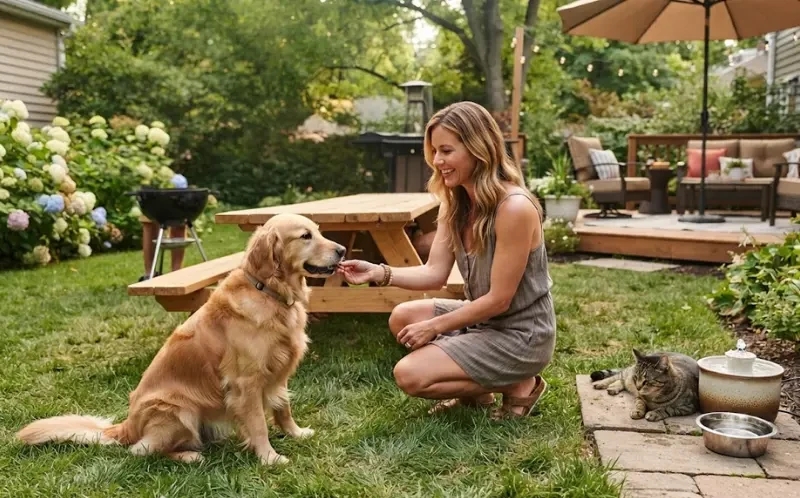
Summer is one of the best times of the year for backyard barbecues, family gatherings, and outdoor celebrations. While everyone enjoys grilled burgers, hot dogs, ribs, and sweet desserts, our canine companions are often just as eager to join the festivities. Unfortunately, many popular barbecue foods that seem harmless to people can pose serious health risks to dogs.
Dogs are naturally curious and highly motivated by food. It only takes a few seconds for a dog to snatch a burger from a plate, steal a chicken bone from the garbage, or eat leftovers left unattended on a picnic table. What starts as an innocent snack can quickly turn into a veterinary emergency requiring immediate medical attention.
Knowing which foods are dangerous, and recognizing the warning signs of trouble can help prevent serious illness and potentially save your dog's life. This guide explains the most common barbecue hazards, why they are dangerous, and what every pet owner should do if an accident happens.
Unlike everyday meals, barbecues introduce many foods that are richer, fattier, spicier, and more heavily seasoned than what dogs normally eat. In addition, outdoor gatherings often create situations where food is left unattended, garbage bags remain open, and guests unknowingly feed pets table scraps.
Dogs can easily access:
Even well-trained dogs may be tempted by the overwhelming smells of grilled meat and smoky flavours.
One of the biggest barbecue dangers is fatty meat.
Foods such as:
contain far more fat than most dogs can safely digest.
Eating a large amount of fat may lead to digestive upset, including vomiting and diarrhea. In more severe cases, it can trigger pancreatitis a painful inflammation of the pancreas that often requires hospitalization.
Signs of pancreatitis may include:
Pancreatitis should always be treated as a medical emergency because it can become life-threatening if left untreated.
Many people assume that dogs naturally eat bones, but cooked barbecue bones are extremely dangerous.
Unlike raw bones, cooked bones become brittle after heating.
They can easily splinter into sharp fragments that may:
Common dangerous bones include:
Symptoms of a bone-related emergency include:
Never attempt to pull a visible bone from your dog's throat, as doing so may cause additional injury.
Many grilled recipes contain onions or garlic, both of which belong to the allium family.
These ingredients may be found in:
Although small amounts may not always cause immediate symptoms, consuming enough onion or garlic can damage a dog's red blood cells and lead to anemia.
Symptoms may not appear for several days and include:
Veterinary evaluation is recommended whenever a dog consumes a significant amount of onion or garlic.
Corn itself is generally digestible for dogs, but the cob presents a much greater danger.
Dogs often swallow corn cobs whole because they smell and taste like grilled food.
Unfortunately, corn cobs do not digest. Instead, they frequently become lodged inside the intestines, creating a complete obstruction.
Signs of an intestinal blockage include:
Many intestinal obstructions require emergency surgery.
Fruit trays served at summer gatherings may contain grapes or raisins.
Although scientists still do not fully understand why, these fruits are highly toxic to dogs.
Even a small amount may lead to acute kidney failure in susceptible dogs.
Watch for:
Prompt veterinary treatment significantly improves the chance of recovery.
Barbecue desserts often include:
Chocolate contains methylxanthines, including theobromine, which dogs cannot metabolize effectively. Dark chocolate and baking chocolate are particularly dangerous.
Signs of chocolate toxicity include:
The severity depends on the type of chocolate, the amount eaten, and the dog's size.
Open drinks left on picnic tables are another hidden danger.
Dogs may accidentally drink:
Alcohol affects dogs much more rapidly than humans.
Even relatively small amounts may cause:
Immediate veterinary care is necessary whenever alcohol ingestion is suspected.
Many people know that sugar-free gum contains xylitol, but fewer realize that this artificial sweetener also appears in many summer foods.
Potential sources include:
Xylitol causes a sudden release of insulin, leading to dangerously low blood sugar.
Dogs may develop symptoms within 30 minutes, including weakness, tremors, seizures, or collapse.
Barbecue hazards extend beyond food itself. Wooden and metal skewers used for kebabs can become dangerous if chewed or swallowed. Dogs may also ingest aluminum foil, plastic wrap, or food containers that smell like grilled meat.
These objects can become lodged in the stomach or intestines, causing painful blockages or internal injuries.
Signs of a foreign object obstruction include:
Foreign body ingestion often requires emergency imaging and, in many cases, surgery.
Many barbecue recipes include ingredients that are not suitable for dogs. Hot sauces, spicy rubs, pepper blends, excessive salt, butter, and sugary glazes can irritate the digestive system.
While a tiny taste may only cause mild stomach upset, larger amounts can lead to:
Some commercial sauces may also contain onion powder, garlic powder, or artificial sweeteners that increase the health risk.
Not every stolen bite results in a medical emergency, but certain symptoms should never be ignored.
Seek veterinary care immediately if your dog experiences:
Prompt treatment can make a significant difference in your dog's recovery and may prevent more serious complications.
If you discover that your dog has eaten something unsafe, stay calm and act quickly.
Take away any remaining food, bones, skewers, or garbage to prevent further ingestion.
Try to determine:
This information helps your veterinary team recommend the most appropriate treatment.
Some objects or substances can cause additional injury if vomiting is induced. Always consult a veterinarian before attempting any home treatment.
Even if your dog initially appears normal, symptoms may develop several hours later. Continue observing their appetite, behaviour, and bowel movements.
When in doubt, it is always safer to call your veterinarian. Early assessment often allows treatment before complications become severe.
A little preparation can greatly reduce the risk of accidents during outdoor gatherings.
Place serving dishes on elevated tables and avoid leaving plates unattended.
Use tightly closed garbage bins and remove food waste promptly. Bones, corn cobs, skewers, and greasy leftovers are particularly tempting to dogs.
Politely remind friends and family not to feed your dog table scraps, even if they think they are harmless.
Offering your dog safe treats or toys during the barbecue can help keep them occupied and less interested in human food.
Keeping your dog nearby allows you to quickly intervene if they attempt to steal food or investigate the grill area.
While food hazards are common, remember that summer gatherings also present additional risks
such as:
Providing fresh water, shaded resting areas, and regular supervision helps keep your dog comfortable and safe throughout the event.
Summer barbecues create wonderful memories for families, but they also introduce numerous hidden dangers for pets. Foods such as cooked bones, fatty meats, onions, garlic, grapes, raisins, chocolate, alcohol, corn cobs, and products containing xylitol can all lead to serious health emergencies.
The best protection is prevention. By keeping hazardous foods out of reach, supervising your dog during gatherings, and educating guests about safe feeding practices, you can significantly reduce the risk of an emergency visit.
If your dog accidentally consumes a potentially harmful food or begins showing signs of illness, don't wait for symptoms to worsen. Prompt veterinary attention can improve outcomes and help your pet return to enjoying a healthy, active summer.
