Working Hours
Clinic Schedule
Mon - Fri:8:00 AM - 8:00 PM
Saturday:9:00 AM - 6:00 PM
Sunday:10:00 AM - 5:00 PM
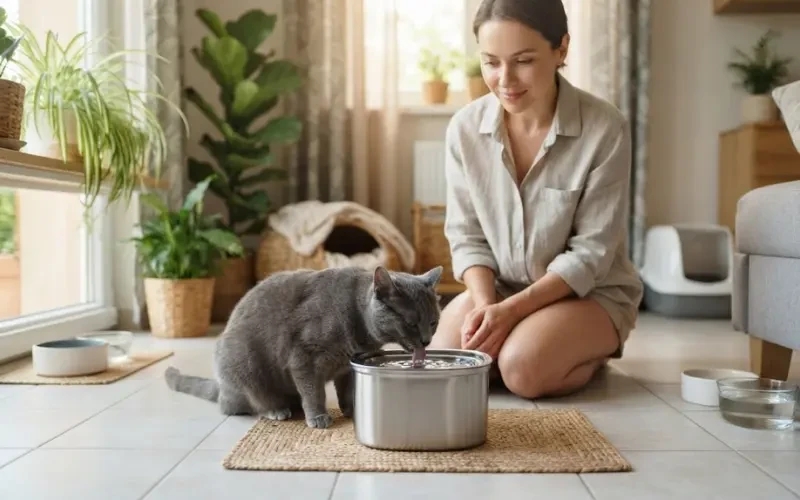
Cats are often viewed as independent pets that require little encouragement to care for themselves. While they do have remarkable survival instincts, many cats are naturally poor drinkers. Their ancestors evolved in desert environments where much of their moisture came from prey rather than standing water. As a result, even today's domestic cats may not drink enough, particularly during periods of hot weather.
Summer temperatures can increase your cat's risk of dehydration, which in turn can contribute to urinary tract problems and, in some cases, life-threatening emergencies. Unfortunately, cats are experts at hiding discomfort. Many continue behaving normally until their condition has progressed significantly, making it easy for subtle warning signs to go unnoticed.
Understanding how dehydration affects the urinary system, and recognizing early symptoms can help pet owners seek veterinary care before a minor issue becomes a serious medical emergency.
Hot weather affects cats differently than dogs. Cats rarely pant unless they are extremely stressed or overheated, so they rely on other methods to regulate body temperature. During prolonged periods of warm weather, they gradually lose moisture through normal body functions while often failing to increase their water intake enough to compensate.
When the body becomes dehydrated, urine becomes increasingly concentrated. Concentrated urine allows minerals to crystallize more easily inside the urinary tract, increasing the risk of irritation, inflammation, bladder stones, and urethral blockages.
Cats already predisposed to urinary disease may be especially vulnerable during summer months.
The urinary system plays an essential role in maintaining your cat's overall health.
It consists of:
Together, these organs remove waste products, regulate fluid balance, and eliminate toxins from the body.
When hydration decreases, the kidneys must work harder to conserve water.
Over time, concentrated urine may contribute to conditions such as:
Early recognition is key to preventing complications.
Many owners are surprised to discover how little their cats drink each day.
Several factors contribute to low water consumption, including:
Wild cats obtained much of their hydration from freshly caught prey. Indoor cats eating dry kibble may not naturally compensate by drinking additional water.
Cats often avoid water that has been sitting in a bowl for extended periods. They generally prefer clean, moving water.
Water bowls located near litter boxes or food dishes may discourage some cats from drinking.
Environmental changes, visitors, travel, or new pets can reduce normal drinking behaviour.
Higher temperatures increase water loss, but many cats still fail to drink enough to replace it.
Because dehydration develops gradually, the earliest symptoms can be subtle.
Watch for changes such as:
These signs are easy to overlook but may indicate that your cat needs veterinary evaluation.
Your cat's litter box provides valuable clues about their health.
Pay attention to:
Smaller clumps may indicate reduced urine production caused by dehydration.
Repeated visits to the litter box with only small amounts of urine can signal bladder irritation or urinary inflammation.
A cat that repeatedly squats without producing urine should always be evaluated immediately.
Even a small amount of blood may indicate inflammation, stones, infection, or another urinary condition.
Many owners assume this is a behavioural problem when, in fact, it may be your cat's way of communicating discomfort.
FLUTD is not a single disease but a group of disorders affecting the bladder and urethra.
Common causes include:
Symptoms often include:
Many of these symptoms overlap, making professional diagnosis important.
Although urinary disease can affect any cat, male cats are especially susceptible to life-threatening urethral blockages because their urethra is narrower than that of females.
A blockage prevents urine from leaving the body, causing toxins to build up rapidly.
Without prompt treatment, a urinary obstruction can become fatal within a short period.
Signs of a blockage include:
A blocked cat requires immediate emergency veterinary care.
The kidneys depend on adequate hydration to function efficiently.
Persistent dehydration forces the kidneys to conserve water while filtering waste products. Over time, this increased workload may worsen existing kidney disease or contribute to kidney injury, particularly in senior cats.
Cats with chronic kidney disease often need even more careful monitoring during the summer months to help maintain hydration and overall health.
Some cats have a greater likelihood of developing dehydration-related urinary problems.
Higher-risk groups include:
Recognizing these risk factors allows owners to be more proactive during periods of hot weather.
If your cat develops urinary symptoms, your veterinarian will perform a thorough examination to determine the underlying cause. Early diagnosis allows treatment to begin before complications become severe.
Depending on your cat's condition, diagnostic testing may include:
These tests help identify whether the problem involves dehydration, inflammation, urinary crystals, bladder stones, infection, kidney disease, or a urinary obstruction.
Urinary issues should never be treated with home remedies alone. The appropriate treatment depends on the diagnosis.
Your veterinarian may recommend:
Rehydration is often the first priority. Intravenous or subcutaneous fluids help restore hydration and support kidney function.
Special veterinary diets can help dissolve certain urinary crystals, reduce the formation of new stones, and support bladder health.
Many urinary conditions are painful. Appropriate pain control improves comfort and recovery.
Reducing bladder inflammation may help relieve discomfort and improve urination.
Antibiotics are prescribed only when a bacterial infection has been confirmed or is strongly suspected.
Cats with urinary blockages often require sedation or anesthesia so a urinary catheter can relieve the obstruction and allow urine to flow normally.
In severe cases, hospitalization is necessary to stabilize the patient and monitor recovery.
Encouraging your cat to drink more water is one of the most effective ways to support urinary health.
Place fresh water bowls in several quiet areas throughout your home.
Cats are more likely to drink clean, cool water.
Many cats prefer moving water. Pet fountains often encourage increased water intake.
Wet food contains significantly more moisture than dry kibble and contributes to daily hydration.
Air conditioning, fans, and shaded resting areas help reduce fluid loss during hot weather.
Cats may avoid urinating if the litter box is dirty, increasing discomfort and urinary complications.
Small changes are often the earliest signs that something is wrong.
Watch for changes in:
Keeping track of these habits makes it easier to notice problems before they become emergencies.
Never ignore urinary symptoms, even if they seem mild.
Schedule a veterinary visit if your cat:
Immediate emergency care is essential if your cat cannot pass urine at all. A urinary blockage is a life-threatening condition that requires urgent treatment.
Routine veterinary examinations play an important role in detecting health concerns before they become emergencies.
During a wellness visit, your veterinarian may identify:
Preventive care allows many conditions to be managed before they affect your cat's quality of life.
Hot weather places additional demands on your cat's body, particularly when it comes to maintaining proper hydration. Because cats naturally drink less water than many other animals, even mild dehydration can increase the risk of urinary tract problems.
By encouraging adequate water intake, providing a cool environment, monitoring litter box habits, and recognizing early warning signs, pet owners can help reduce the likelihood of serious urinary disease.
Never assume that repeated trips to the litter box, accidents outside the box, or subtle behavioural changes are simply part of getting older or a temporary inconvenience. Cats often hide illness remarkably well, and prompt veterinary care can make all the difference.
If your cat develops signs of dehydration or urinary discomfort, seeking professional evaluation as early as possible offers the best chance for a quick recovery and helps prevent more serious complications.
Summer heat can quietly increase your cat's risk of dehydration and urinary tract problems, especially if they naturally drink very little water. Paying close attention to changes in drinking habits, litter box activity, and overall behaviour allows you to identify concerns before they become serious.
Regular veterinary checkups, proper hydration, and prompt attention to unusual symptoms are the best ways to protect your cat's urinary health and keep them comfortable throughout the warmer months.
