Working Hours
Clinic Schedule
Mon - Fri:8:00 AM - 8:00 PM
Saturday:9:00 AM - 6:00 PM
Sunday:10:00 AM - 5:00 PM
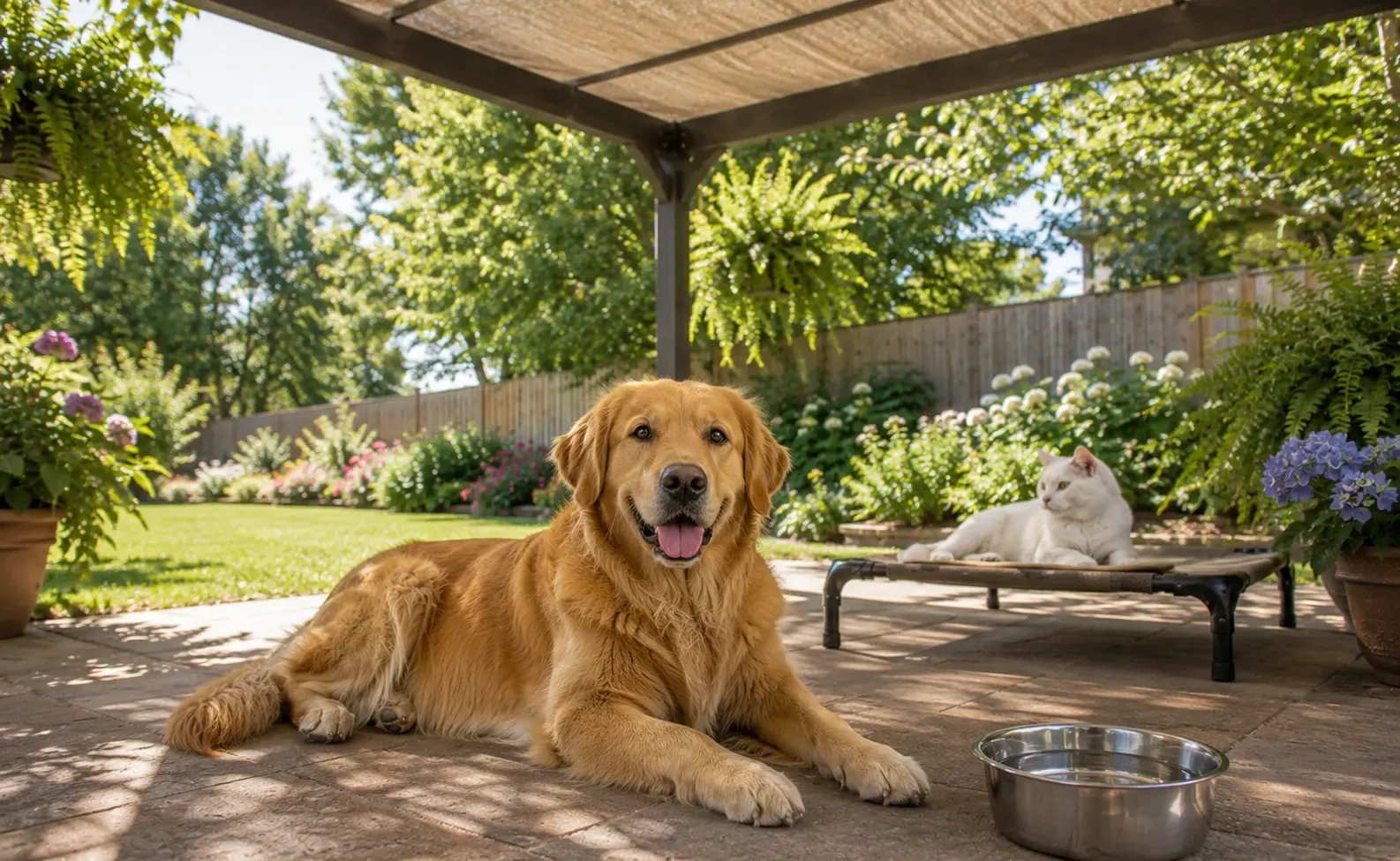
When the weather warms up, many pets spend more time outdoors enjoying walks, backyard play sessions, hikes, and family activities. While most pet owners understand the importance of protecting their pets from heat-related illnesses, fewer realize that sun exposure can also create significant health risks. Just like people, dogs and cats can suffer from harmful ultraviolet (UV) radiation, leading to sunburn, skin irritation, and long-term skin damage.
Light-coated dogs and cats are particularly vulnerable because they have less natural pigmentation to shield their skin from the sun's rays. Hairless breeds and pets with thin coats are also at greater risk. Over time, repeated UV exposure can contribute to chronic skin conditions and may increase the likelihood of certain types of skin cancer.
Fortunately, there are many effective ways to help protect pets from the sun. Pet-safe sunscreen, shaded environments, UV-protective clothing, and smart outdoor habits can significantly reduce risks while allowing pets to enjoy outdoor activities safely.
At Companion Animal Hospital, we believe preventive care plays a vital role in maintaining lifelong health. Understanding the effects of UV radiation and taking practical steps to protect your pet can help keep them comfortable and healthy throughout every season.
Many pet owners assume that a fur coat provides complete protection against sunlight. While fur does offer some protection, it is often not enough to prevent UV damage.
Certain areas of the body naturally have less hair coverage and are more exposed to direct sunlight.
Common areas prone to sunburn include:
These regions are especially susceptible to sunburn during prolonged outdoor exposure.
Pigmentation acts as a natural defense against ultraviolet radiation.
Pets with darker skin and fur generally have more protection than those with light-colored coats.
Light-coated pets often have:
As a result, they are more likely to experience sunburn and long-term skin damage.
Examples include:
White and light-colored cats face particularly high risks.
Cats with white ears and pink noses are often among the most vulnerable.
Hairless pets have little or no natural protection against sunlight.
Examples include:
These animals typically require additional UV protection whenever they spend time outdoors.
Ultraviolet radiation is a form of energy emitted by the sun.
Although invisible to the eye, UV rays can penetrate the skin and cause cellular damage.
Repeated exposure may contribute to:
The effects often develop gradually, making prevention especially important.
Early recognition allows pet owners to address problems before they become more serious.
Common signs include:
In more severe cases, blistering and open sores may develop.
Sunburn is often most noticeable on the ears, nose, and areas with sparse fur coverage.
While mild sunburn may heal, repeated UV damage can create lasting health concerns.
Repeated sun exposure may trigger ongoing irritation and discomfort.
This condition develops after prolonged UV exposure causes chronic skin damage.
Affected areas may become:
One of the most serious concerns associated with UV exposure is the increased risk of certain skin cancers.
Examples include:
White cats are particularly prone to squamous cell carcinoma involving the ears and nose.
Preventive care can significantly reduce these risks.
Many owners wonder whether they can use their own sunscreen on their pets.
In most cases, human sunscreen products should be avoided.
Some ingredients may be harmful if ingested during grooming.
Potentially problematic ingredients include:
Because dogs and cats frequently lick their fur and skin, accidental ingestion is a significant concern.
Always select sunscreen products specifically formulated for pets.
Pet-safe sunscreen helps provide an additional layer of protection against harmful UV rays.
Benefits may include:
Sunscreen works best when combined with other sun-safety strategies.
Correct application helps maximize effectiveness.
Apply sunscreen to:
Positive reinforcement can help pets become more comfortable with sunscreen use.
Sunscreen should be viewed as one part of a comprehensive sun-safety plan.
Ultraviolet radiation is typically strongest between 10 a.m. and 4 p.m.
Whenever possible:
Shade dramatically reduces UV exposure.
Useful options include:
Pets should always have access to a shaded resting area when outdoors.
Specially designed pet clothing can provide additional coverage.
These garments are particularly useful for:
Lightweight fabrics help maintain comfort while reducing UV exposure.
Pet-friendly outdoor environments should include:
These features encourage pets to spend less time in direct sunlight.
Sunlight can reflect off various surfaces and increase total UV exposure.
Common reflective surfaces include:
Even shaded pets may experience additional exposure due to reflected sunlight.
Many people assume indoor pets are completely safe from UV exposure.
However, sunlight entering through windows can still affect pets.
Cats often spend hours resting on sunny windowsills, while dogs frequently lounge near large windows.
Helpful strategies include:
These simple changes can reduce cumulative UV exposure over time.
Routine skin checks are an important part of preventive care.
Regularly examine:
Watch for:
Early detection often improves treatment outcomes.
Certain skin changes should never be ignored.
Seek veterinary care if you notice:
Prompt evaluation can help identify concerns before they become more serious.
The most effective sun-safety plans combine multiple strategies.
Your routine may include:
Consistency provides the best protection over time.
Healthy skin serves as one of the body's most important protective barriers.
Reducing UV exposure can help:
Small preventive actions today can contribute to better health throughout your pet's life.
While many pet owners focus on hydration and heat safety during summer, sun protection is equally important for maintaining the health and well-being of light-coated dogs and cats. Pets with light-colored fur, pink skin, thin coats, or hairless breeds are particularly vulnerable to UV-related damage and may require additional protection during outdoor activities.
By combining pet-safe sunscreen, shaded environments, UV-protective clothing, and thoughtful scheduling of outdoor time, owners can significantly reduce the risk of sunburn and long-term skin damage. Routine skin monitoring and regular veterinary visits also play an important role in early detection and prevention.
At Companion Animal Hospital, we are committed to helping pets enjoy active, healthy lives throughout every season. If you have questions about sun protection, skin health, or your pet's individual risk factors, our veterinary team is always available to provide guidance and support tailored to your companion's needs.
